9+ curated guides • Updated November 2025
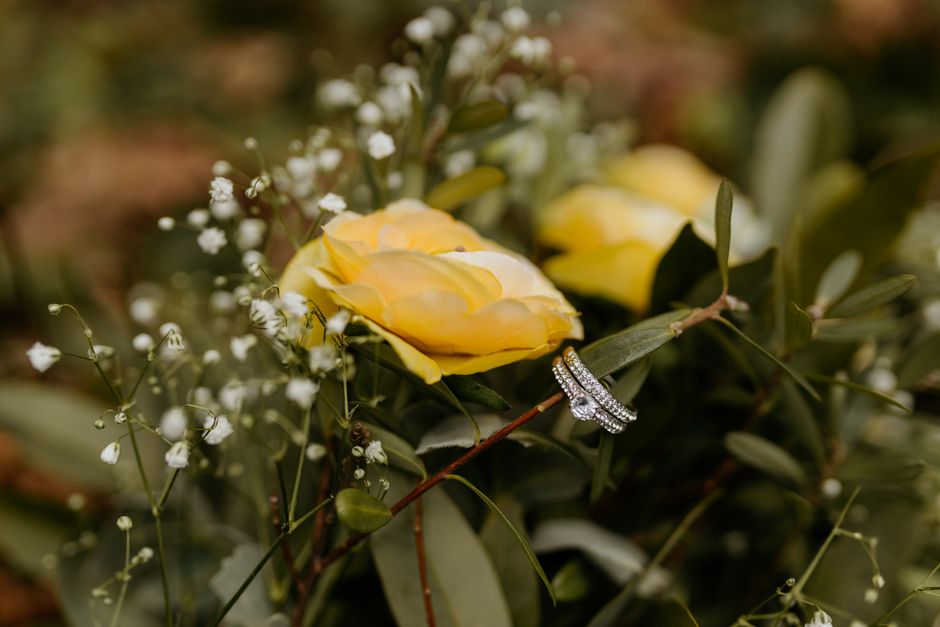
Before you judge a diamond by its carat or clarity, consider this: the belief that it symbolizes eternal love was masterfully crafted by an advertising agency in the 1940s. That single campaign reshaped our culture, but today, a quiet revolution is happening. We're now asking if a diamond's true worth lies not in its manufactured rarity, but in its verifiable origin and personal meaning. This article deconstructs the architecture of that myth and analyzes the new pillars of value—conscience, creation, and connection—that are defining the modern diamond for a new generation of consumers. We are moving beyond the jeweler's loupe and into an era where a gem's story is its most brilliant facet.
We associate emeralds with ancient royalty, power, and untouchable value. But the truth is, the majority of emeralds sold today have been artificially fractured, filled with oil, or grown in a lab—a fact the market often obscures. Before you invest in May's birthstone, you need to understand the one secret Cleopatra knew: authenticity is everything. For years, I graded these stones in a GIA lab, watching certificates get printed for gems whose natural beauty was buried under layers of resin and deception. Now, I'm telling you what the industry doesn't want you to know. This isn't just about a green stone; it's about reclaiming the definition of value.
It started with a colorful patchwork cardigan, often misremembered as a 'scarf' across TikTok. But what began as a fan's desire to emulate a pop icon quickly unraveled into something far more significant: a quiet rebellion against the fast-fashion machine, one stitch at a time. This wasn't just another celebrity trend destined for the digital graveyard. It was a cultural catalyst. The JW Anderson cardigan worn by Harry Styles became a Trojan horse for slow fashion, smuggling the principles of patience, craftsmanship, and material value into the mainstream consciousness, all under the guise of a fun, viral challenge. It transformed passive consumers into active creators, proving that the most radical fashion statement you can make is creating something with your own two hands.
Look past the runway and closer at the clean lines and rigid form of today's most coveted accessory. The box bag trend isn't just a style moment; it's a masterclass in miniature architecture. These aren't just bags—they are meticulously constructed objects, challenging us to see our personal style through the eyes of a designer. They are handheld edifices, pocket-sized pavilions demanding we consider the principles of structure, materiality, and the deliberate use of negative space in our daily wardrobe. Before you dismiss it as another fleeting trend, I invite you to see it for what it truly is: a foundational shift in how we perceive the objects we carry.
You've probably looked up a star's height and been surprised by the number, but that number is irrelevant in Hollywood. The real story is how directors and cinematographers meticulously craft an actor's on-screen stature, using a century's worth of visual tricks to make them appear as towering or as tiny as the story demands. Forget the Google search; the truth isn't in a number, but in the subtle art of cinematic manipulation. We're pulling back the curtain on the techniques that build heroes, shrink giants, and maintain the fragile fantasy of the silver screen.
That perfect pair of $300 designer jeans haunts your feed, but your wallet says otherwise. What if the secret to achieving that polished, high-end denim look wasn't about the label, but about the strategy? We’re pulling back the curtain on how to transform a pair of affordable Celebrity Pink jeans into the most convincing luxury dupe in your closet. As a former luxury buyer, I spent years analyzing what separates a $400 pair of jeans from a $40 pair—and I can tell you, with the right approach, the difference is far smaller than you think. It's time to stop chasing labels and start mastering the art of the illusion.
That 50% off TV you’ve been eyeing feels like the steal of the century, the reward for your patience. But what if that 'original' price was quietly hiked up in October just so it could be 'slashed' for Black Friday? We analyzed a year's worth of pricing data on popular products to uncover the truth behind the tags. Our findings reveal a widespread practice of pre-holiday price inflation designed to create an illusion of savings, a tactic that preys on consumer excitement and the fear of missing out. This isn't about finding a good deal; it's about understanding the game so you don't become a pawn in it. By arming yourself with historical data, you can separate genuine value from manufactured hype and truly win the holiday shopping season.
When we think of a famous female celebrity, we picture them on a red carpet or a movie poster. But the real power is no longer just in the spotlight—it's in the corner office. A quiet revolution is happening as the world's most famous actresses are becoming the new studio heads, producers, and directors, taking control of the stories we see on screen. This isn't about vanity projects or perfume lines; it's a fundamental restructuring of Hollywood's creative and financial hierarchy. Fed up with one-dimensional roles and a system that treated them as decorative assets, these women have become the architects of their own content empires.
We often buy accessories to complete an outfit, or give them as a simple, beautiful gift. But what if a piece of jewelry or a silk scarf could carry the symbolic weight of the gold, frankincense, and myrrh offered by the Three Kings? It's time to move beyond trends and discover how to choose accessories that anoint your daily life with a sense of the sacred and royal. In Spanish, 'Reyes' means Kings, a direct echo of the Magi who journeyed to bestow gifts of immense cultural and spiritual value. In our modern age, saturated with fleeting trends and disposable fashion, this ancient story offers a profound framework for re-evaluating our relationship with the objects we use to adorn ourselves. This is not about religious dogma, but about cultural inheritance—about viewing our accessories not as mere trinkets, but as a modern trinity of symbolic offerings we make to ourselves and to others. It’s a call to curate a collection that speaks of personal sovereignty, inner reverence, and enduring legacy.